NEUROMODULATORS AND THE NEURAL LOGIC OF BEHAVIOR
Connecting molecular signals, circuit dynamics, and the organization of behavior.
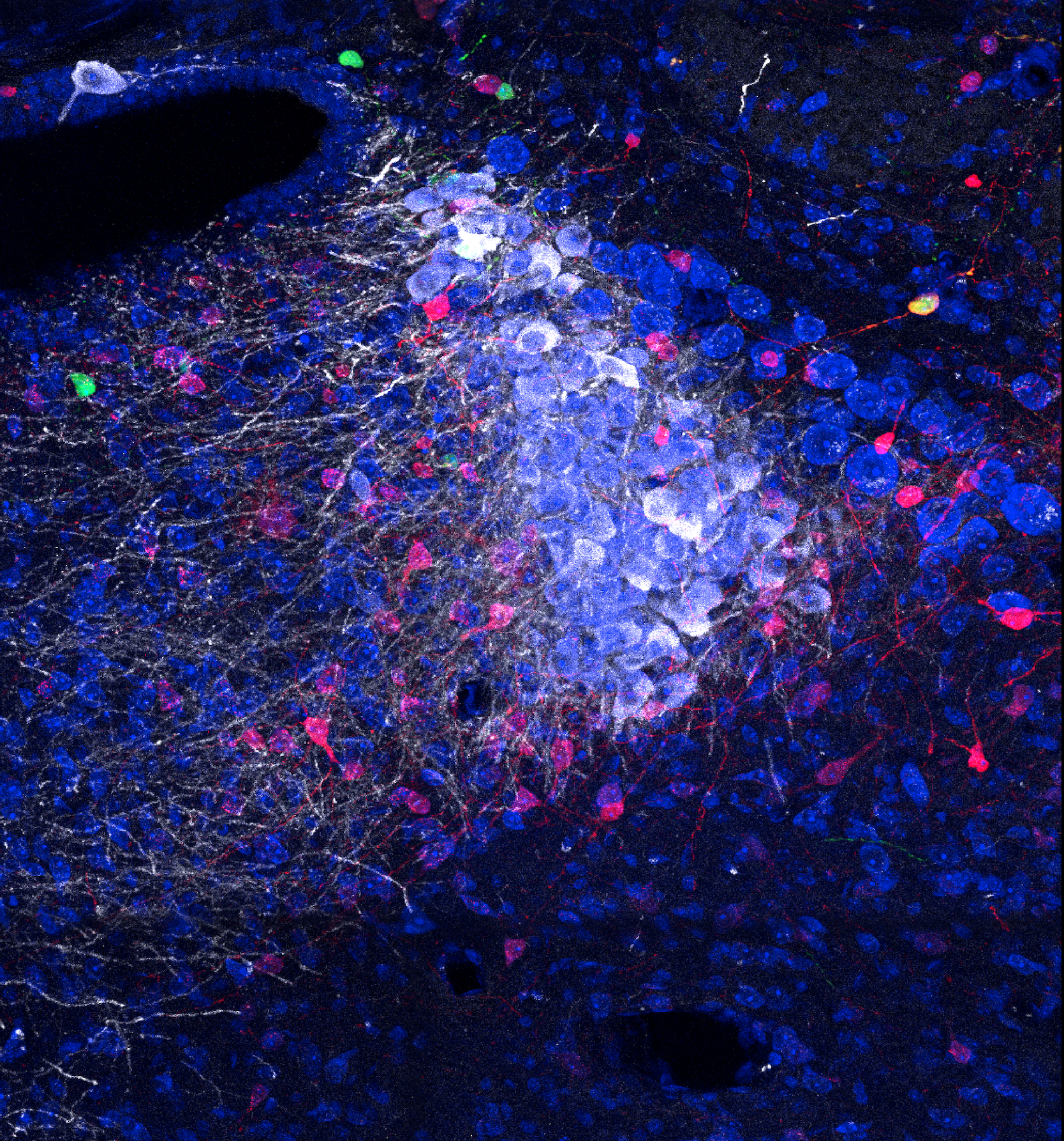
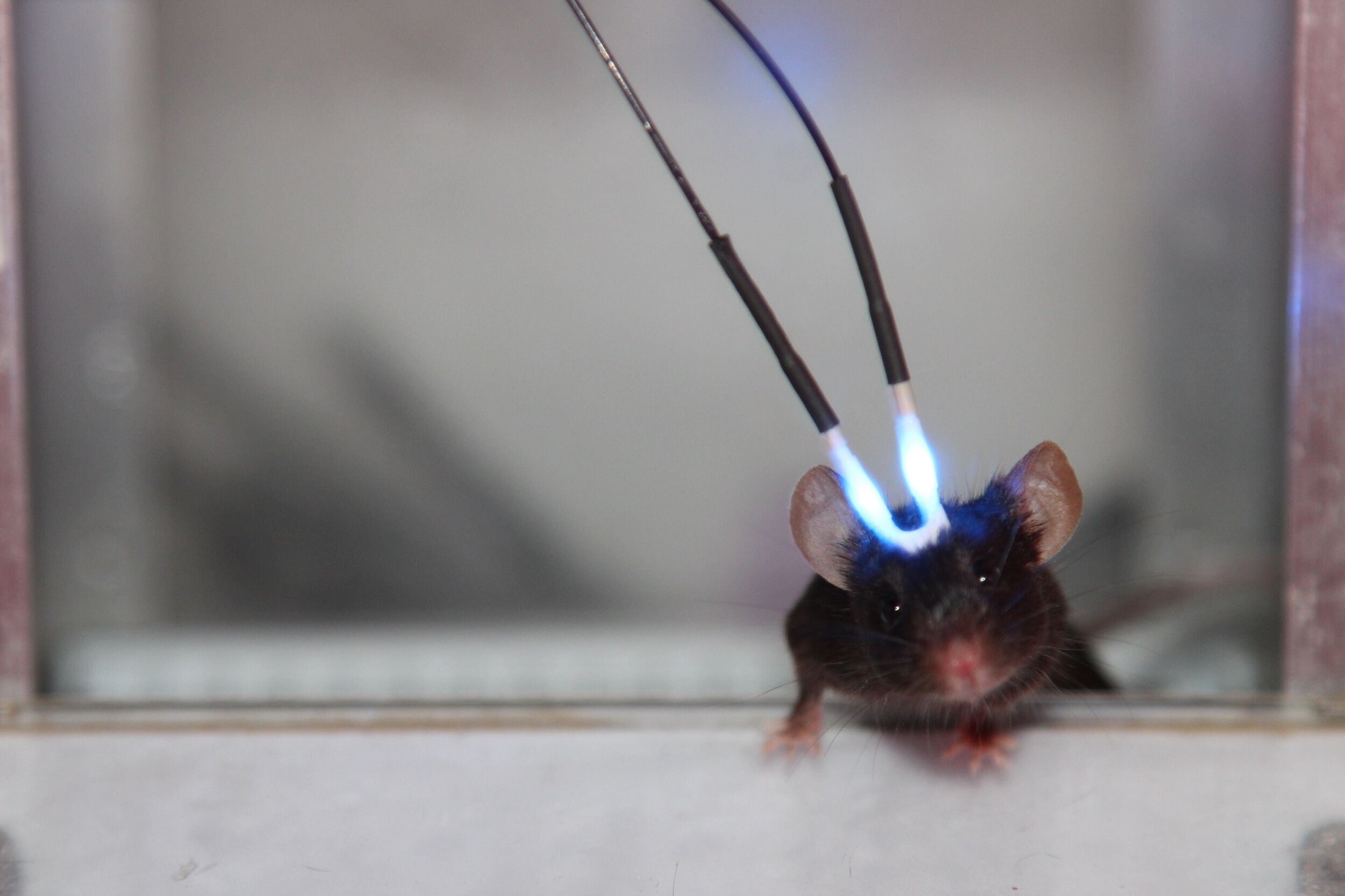
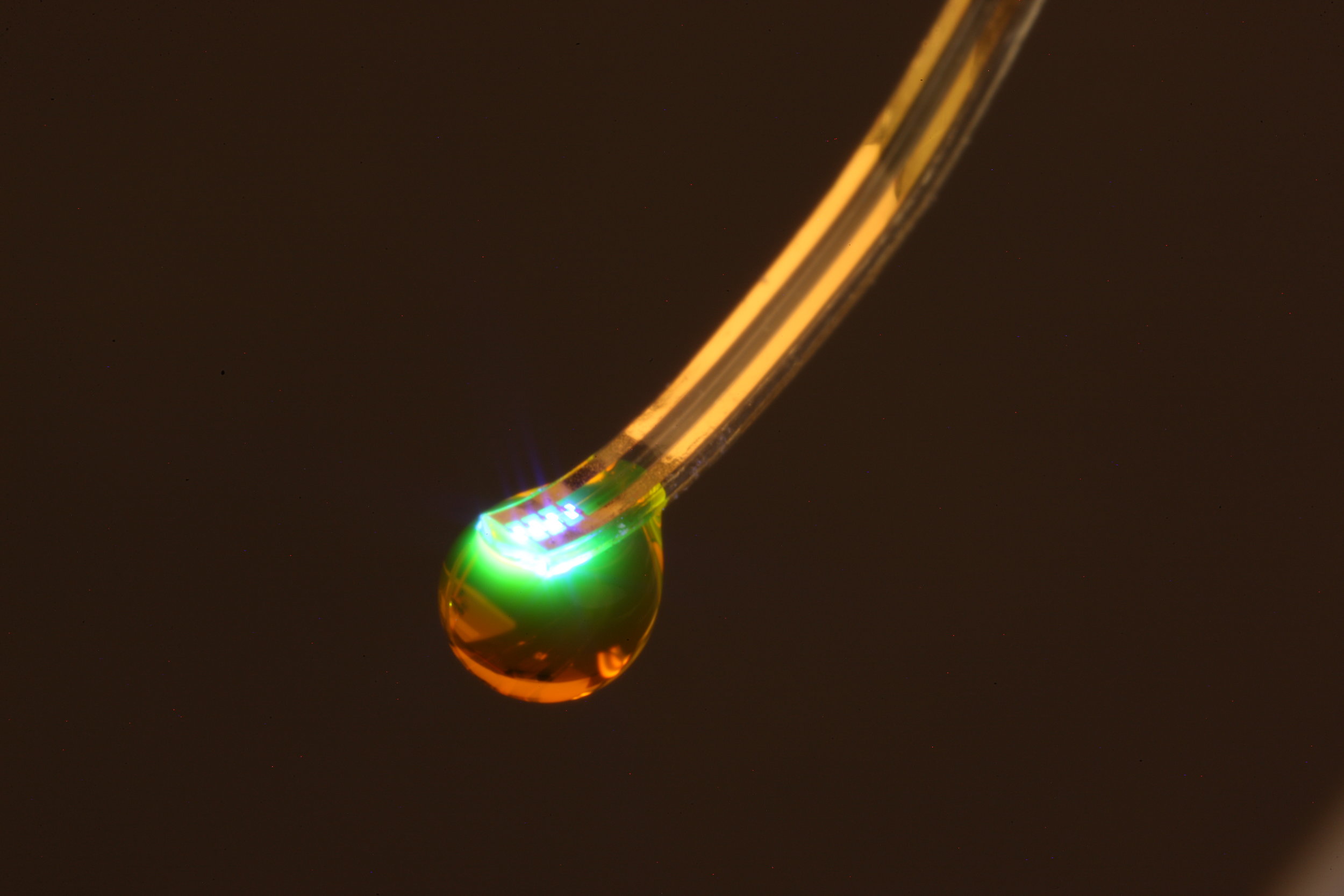
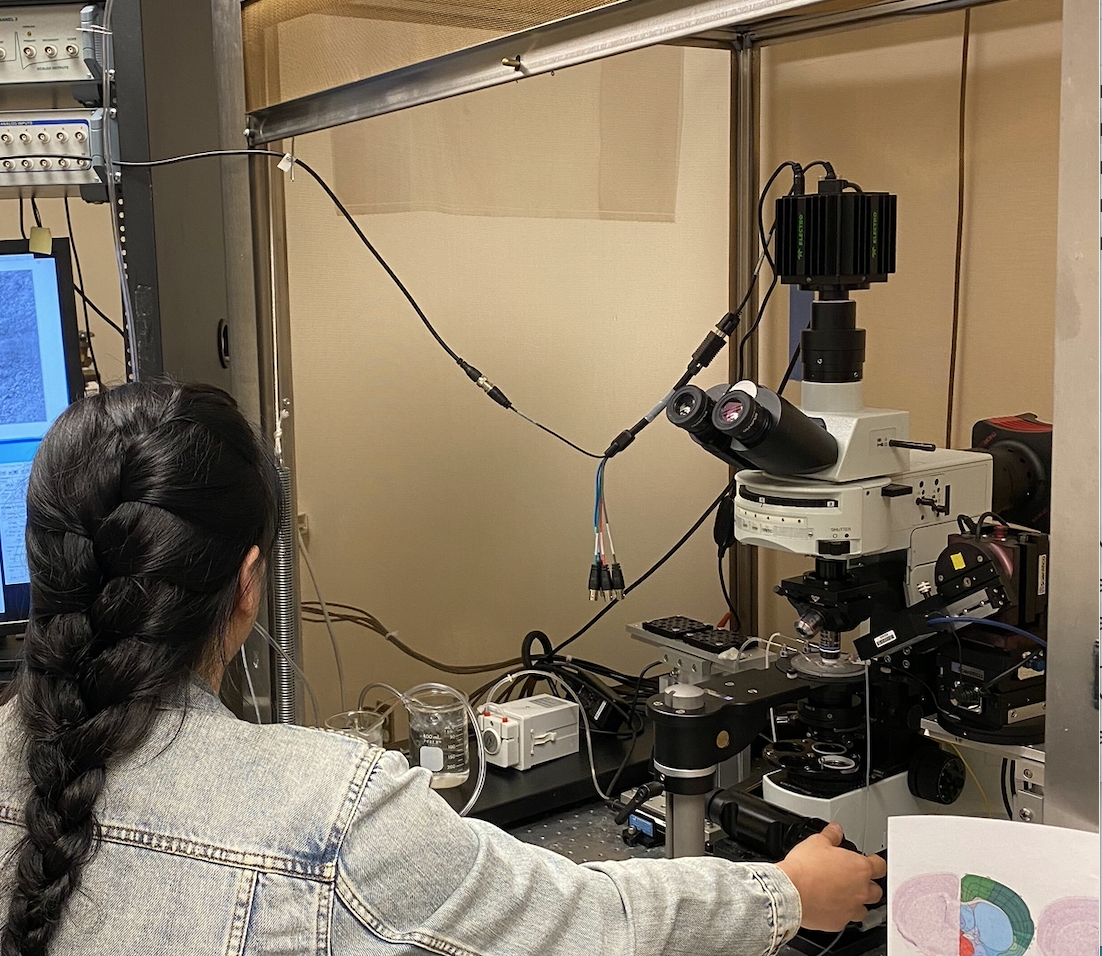
How do neuromodulators shape what we feel, learn, and choose to do? The Bruchas Laboratory investigates how neuropeptides, monoamines, and endocannabinoids tune neural circuits to shape motivation, emotion, and adaptive behavior. We connect the molecular mechanisms of G protein–coupled receptor (GPCR) signaling with the neural computations that guide action, how the brain integrates information, weighs effort against reward, assigns outcomes to actions, and balances approach with avoidance. By combining real-time imaging of neurochemical signals and neural activity with precise circuit manipulations, computational analysis, and machine learning–based measurements of behavior, we uncover how these processes unfold in the living brain. We also engineer biosensors, optical tools, and wireless technologies that make previously inaccessible biology measurable. Our research connects these fundamental discoveries to the mechanisms underlying stress-related disorders, depression, addiction, and pain. Through integrated molecular, physiology, circuit approaches, and behavioral neuropharmacology, we also examine how drugs alter these signaling systems and seek to identify therapeutic targets and strategies that restore adaptive function with greater precision and fewer unwanted effects.